

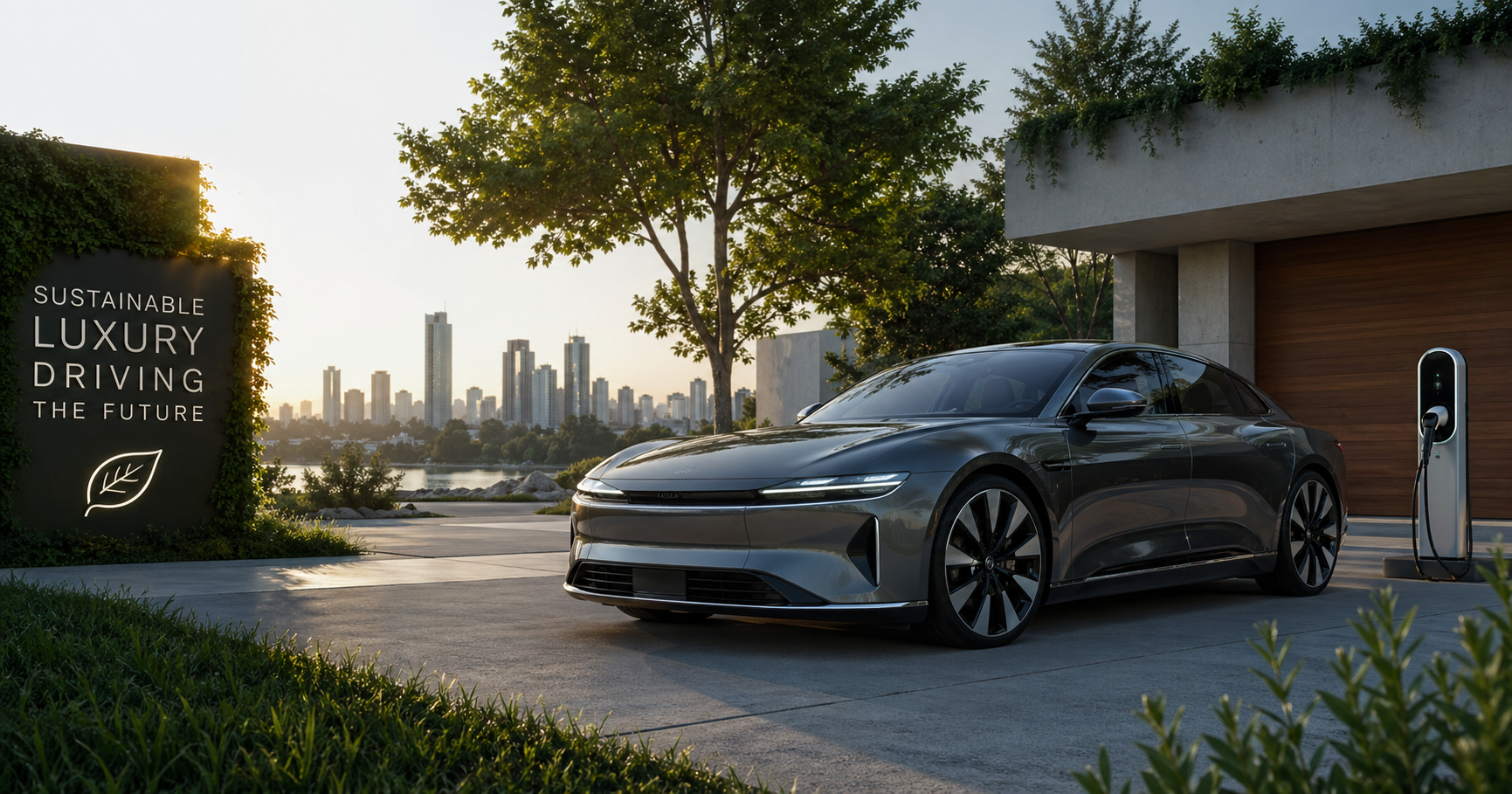

Why Sustainable Transportation Is Redefining Luxury Car Demand
Luxury car buyers demand more than sleek designs and powerful engines today. Sustainable transportation redefines luxury car demand as affluent consumers prioritize eco-friendly innovation. Electric vehicles (EVs) from brands like Tesla, Rolls-Royce, and Bentley lead this shift. Wealthy drivers seek high-performance green cars that slash emissions without sacrificing prestige. This blog explores why sustainable transportation luxury car demand surges, backed by market data and trends.
The Rise of Eco-Conscious Luxury Buyers
Affluent buyers drive sustainable transportation luxury car demand. They embrace EVs and hybrids to align lifestyles with environmental values. A 2025 Deloitte survey reveals 72% of luxury consumers prefer sustainable brands. These buyers wield purchasing power. Global luxury car sales hit $1.2 trillion last year, with EVs claiming 28% market share.
High-net-worth individuals (HNWIs) lead the charge. They view sustainable cars as status symbols. Celebrities like Leonardo DiCaprio and tech moguls like Elon Musk amplify this trend. Social media influencers showcase electric luxury vehicles, sparking viral demand. Buyers now research carbon footprints alongside horsepower.

Key Drivers Behind This Shift
- Climate Awareness: 65% of luxury buyers cite global warming as a top concern (McKinsey, 2026).
- Government Incentives: Tax credits and rebates in Europe and the US boost EV adoption.
- Corporate ESG Goals: Executives demand fleet upgrades to meet sustainability targets.
Sustainable transportation luxury car demand grows as buyers reject gas-guzzlers. They opt for vehicles that deliver zero-emission luxury.
Electric Luxury Vehicles Revolutionize Performance
Manufacturers innovate to meet sustainable transportation luxury car demand. Tesla's Model S Plaid accelerates from 0 to 60 mph in under 2 seconds—faster than most supercars—while producing zero tailpipe emissions. Porsche's Taycan Turbo S blends 938 horsepower with a 300-mile range.
Bentley launches the Flying Spur Hybrid, merging V8 power with plug-in tech. This car cuts CO2 by 75% versus its pure-petrol sibling. Rolls-Royce tests its Spectre EV, promising silent, opulent cruising. These models redefine luxury: plush interiors, advanced autonomy, and green credentials.
Buyers love the tech. Over-the-air updates enhance range and features post-purchase. Fast-charging networks like Electrify America expand, solving range anxiety. Luxury EVs now outpace traditional models in resale value—up 15% per iSeeCars data.
Luxury Brands Accelerate Sustainability Pledges
Automakers commit boldly to sustainable transportation and luxury car demand. Mercedes-Benz targets carbon neutrality by 2039 and rolls out the EQE SUV with a 550 km range. BMW's i7 integrates crystal glass and vegan leather for eco-luxe appeal.
Audi's e-tron GT QS offers Quattro all-wheel drive on battery power. Ferrari unveils its first EV in 2025, blending hybrid tech with F1-derived performance. These brands invest billions: Volkswagen Group's $100 billion EV push includes premium Audi and Porsche lines.
Partnerships fuel progress. Lucid partners with Saudi investors for the Air Sapphire, hitting 341 mph on electricity. Rivian supplies Amazon's delivery vans but eyes luxury with R1S SUVs. Brands source sustainable materials—recycled plastics, biofabrics—enhancing appeal.
Government Policies Fuel the Green Luxury Boom
Policymakers propel sustainable transportation luxury car demand. The EU's 2035 combustion-engine ban pushes luxury makers toward EVs. California's zero-emission mandates reward EV buyers with rebates up to $7,500.
China dominates with subsidies, making EVs 40% of its luxury market. India's FAME-III scheme offers incentives for premium hybrids. These policies slash costs—luxury EV prices have dropped 20% since 2023 (BloombergNEF).
Trade-ins accelerate adoption. Dealerships offer premium values for old models toward green upgrades. Insurers cut rates for low-emission cars, saving owners thousands annually.

Technological Breakthroughs Power Luxury EVs
Innovations make sustainable transportation and luxury car demand irresistible. Solid-state batteries promise 600-mile ranges and 10-minute charges—Toyota and BMW are testing prototypes for 2027 luxury launches.
Wireless charging pads are embedded in driveways, eliminating plugs. AI optimizes energy use, extending range by 20%. Luxury interiors feature ambient lighting synced to regenerative braking.
Autonomous features shine: Mercedes' Drive Pilot handles Level 3 driving. Buyers enjoy hands-free highway cruising in electric S-Class models. These techs elevate luxury beyond speed—they deliver effortless, sustainable sophistication.
Battery and Charging Milestones
- Range Leaders: Lucid Air (520 miles) and Mercedes EQS (770 km combined).
- Charge Speed: Hyundai Ioniq 5 adds 68% in 5 minutes.
- Home Solutions: BMW's Wallbox integrates solar panels.
Sustainable transportation luxury car demand thrives on these leaps.
Market Data Confirms Surging Demand
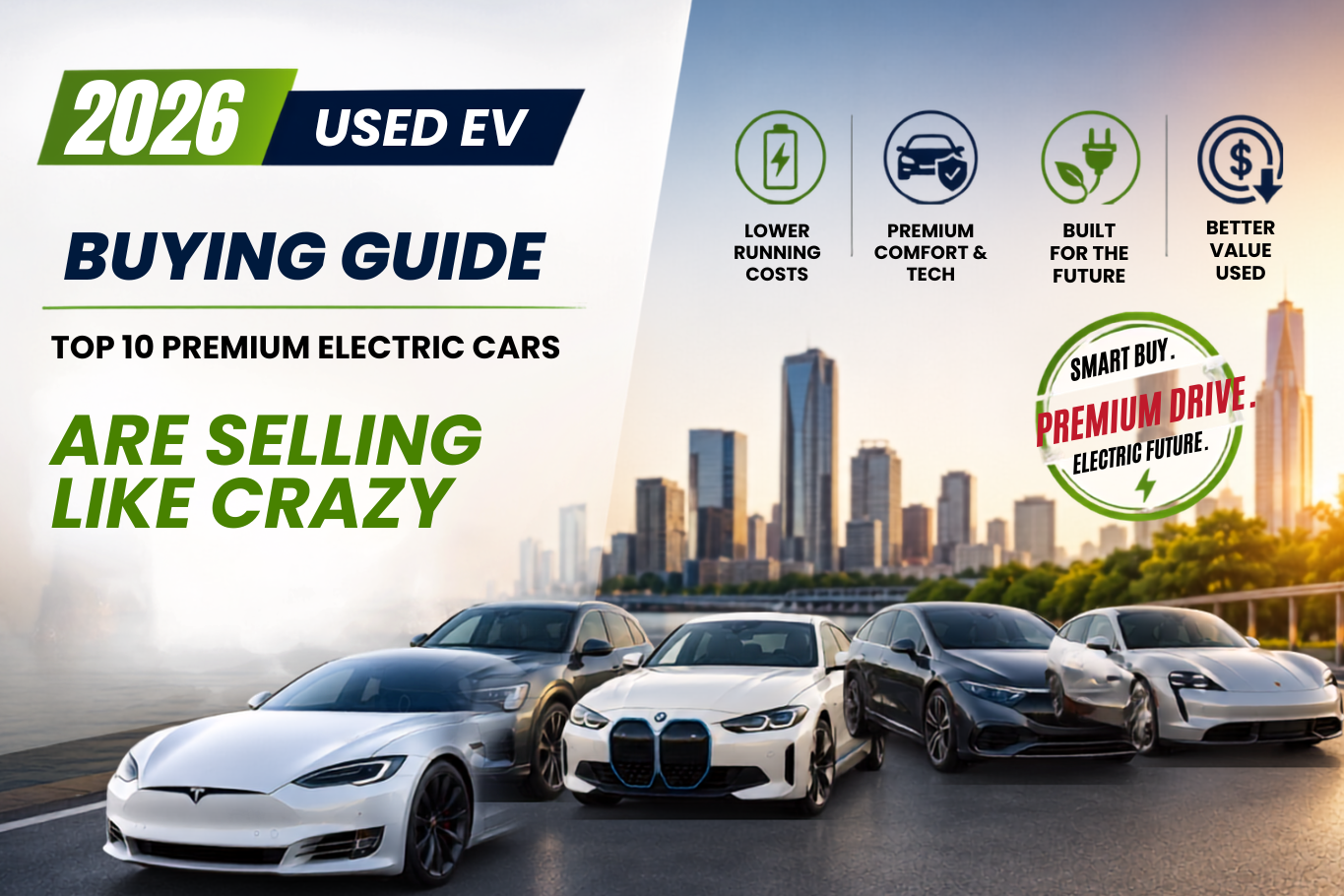
Numbers prove sustainable transportation redefines luxury car demand. Global luxury EV sales jumped 82% in 2025 (Statista). Tesla holds 55% share, but legacy brands close gaps—Porsche EVs up 150%.
Premium segment grows fastest: EVs over $100K saw 40% YoY gains. Used luxury EVs appreciate 10-15%, bucking depreciation trends. Projections show EVs dominating 60% of luxury sales by 2030 (IEA).
India's market mirrors this: Tata and Mahindra launch premium EVs, targeting urban elites. Delhi buyers snap up MG's ZS EV, blending luxury with sustainability.
Luxury Redefined: Status Meets Sustainability
Sustainable transportation and luxury car demand shift prestige paradigms. Owning a gas supercar signals excess; piloting a silent EV broadcasts savvy. Country clubs install chargers; valet services prioritize greens.
Buyers customize Pantone colors and monogrammed vegan leather. Philanthropy ties in Porsche's donation per EV sold to reforestation. This fusion crafts "conscious luxury."
Challenges persist: mining for batteries raises ethical flags. Brands counter with recycled cobalt and fair-trade lithium. Recycling programs repurpose 95% of EV packs.
The Road Ahead for Luxury Automotive
Sustainable transportation luxury car demand accelerates toward dominance. By 2030, 80% of luxury fleets will go electric (Deloitte forecast). Hydrogen fuel cells emerge for long-haul luxury, like Range Rover prototypes.
Affordable luxury EVs loom the Genesis GV90 under $80K packs Bentley-level kit. Flying cars and eVTOLs tease aerial luxury, powered by green energy.
Buyers prepare now. They audit home power, plan solar installs, and track incentives. Dealerships evolve into "mobility hubs" with test drives and charging advice.
Embrace Sustainable Luxury Today
Sustainable transportation redefines luxury car demand—join the revolution. Research models, claim rebates, and drive the future. Which EV tempts you? Tesla's speed, Bentley's bespoke touch, or Porsche's heritage?

Recent Comments