

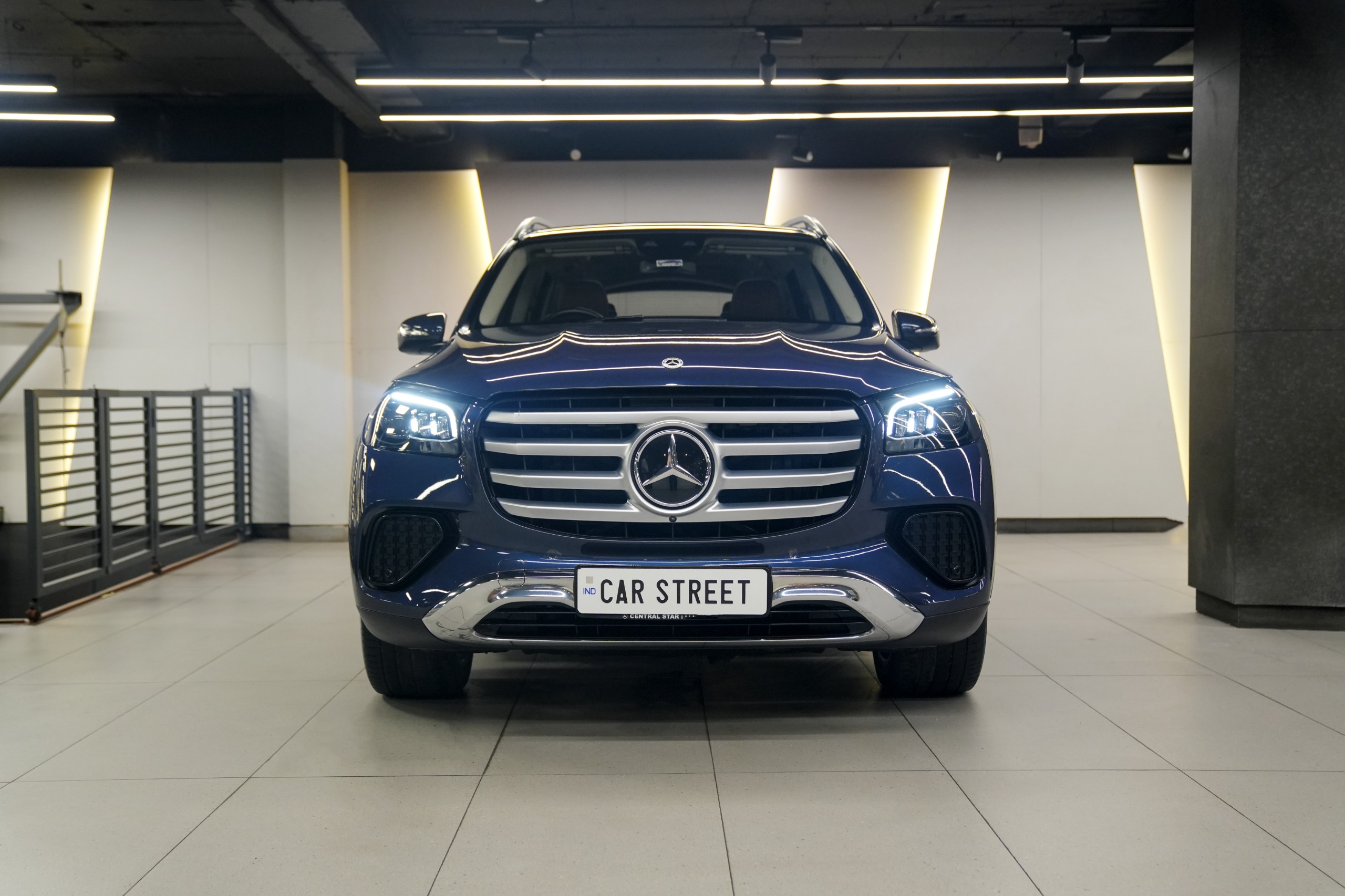

Understanding Drive Modes in Luxury Cars: Comfort, Sport, and Eco Explained
Luxury cars are not just about style, comfort, or premium interiors — they’re about control, performance, and personalization. One of the standout features that distinguish luxury cars from regular vehicles is their drive mode system.
Modern luxury vehicles allow drivers to switch between different driving modes — most commonly Comfort, Sport, and Eco — each designed to change the car’s behavior, performance, and efficiency with just the press of a button.
In this article, we’ll explore what these drive modes mean, how they work, and when to use each one. Understanding these settings helps drivers get the best out of their car, whether cruising in the city or pushing limits on the highway.
1. What Are Drive Modes in Luxury Cars?
Drive modes are intelligent settings that adjust a vehicle’s performance characteristics. When a driver selects a mode, the car automatically modifies various parameters such as:
-
Engine response
-
Transmission shift timing
-
Steering feedback
-
Suspension stiffness
-
Throttle sensitivity
-
Climate control and fuel mapping
Essentially, drive modes customize the car’s personality to suit your driving needs — comfort for daily commuting, sport for spirited driving, and eco for maximum fuel efficiency.
Luxury car manufacturers introduced this technology to give drivers the freedom to control how their vehicle behaves in different driving environments.
2. Comfort Mode: Smooth, Relaxed, and Effortless Driving
What It Does
Comfort Mode is all about providing a calm, balanced, and smooth driving experience. It’s designed for daily use, city commutes, and long-distance cruising.
When activated, the car’s systems prioritize comfort over performance.
-
The suspension softens, absorbing bumps and road imperfections.
-
The steering becomes lighter, reducing effort.
-
The throttle response slows slightly, promoting a more relaxed drive.
-
Transmission shifts occur earlier, keeping RPMs low for quieter performance.
Best For
-
City driving with frequent starts and stops.
-
Highway cruising for a relaxed experience.
-
Passengers onboard, ensuring minimal vibrations and maximum comfort.
Benefits
-
Reduces driver fatigue during long journeys.
-
Enhances cabin comfort and smoothness.
-
Ideal balance between performance and efficiency.
Comfort Mode is the “default” mode in most luxury cars — it’s where the vehicle feels most natural for everyday use.
3. Sport Mode: Precision, Power, and Performance
What It Does
Sport Mode transforms the car’s behavior into something sharper, faster, and more engaging. When you switch to this mode, your vehicle prioritizes power and performance over comfort.
Here’s what happens behind the scenes:
-
Throttle response becomes immediate, improving acceleration.
-
Transmission holds gears longer, delivering more power before shifting.
-
Steering tightens for better control and feedback.
-
Suspension firms up to minimize body roll during turns.
-
Exhaust note often becomes louder, adding to the sporty driving experience.
Best For
-
Highway overtaking and spirited driving.
-
Winding roads where precision matters.
-
Drivers who enjoy a more connected and dynamic feel.
Benefits
-
Improved handling and responsiveness.
-
Faster acceleration and better control.
-
Enhanced driver engagement and excitement.
However, Sport Mode may reduce fuel efficiency and increase wear on certain components if used constantly. It’s ideal for moments when you want to truly feel the car’s performance potential.
4. Eco Mode: Efficiency and Sustainability at Its Best
What It Does
As the name suggests, Eco Mode focuses on maximizing fuel economy and reducing emissions. In this mode, the vehicle’s systems are optimized for energy efficiency rather than power.
Here’s how it works:
-
Throttle response becomes gentler, preventing aggressive acceleration.
-
Transmission shifts to higher gears sooner to reduce fuel use.
-
Air conditioning and other power-hungry features operate at lower intensity.
-
Some vehicles even limit top speed or engine output slightly for greater efficiency.
Best For
-
Urban traffic or stop-and-go driving.
-
Eco-conscious drivers aiming to reduce fuel costs and carbon footprint.
-
Smooth, relaxed driving styles.
Benefits
-
Improved fuel efficiency.
-
Reduced emissions and operational costs.
-
Longer engine and component lifespan due to reduced stress.
Eco Mode is ideal for daily commutes or when fuel economy is your top priority.
5. How Drive Modes Affect Vehicle Systems
Each mode doesn’t just change one aspect — it alters how multiple systems interact:
| System | Comfort Mode | Sport Mode | Eco Mode |
|---|---|---|---|
| Engine | Smooth power delivery | Maximum performance | Reduced power output |
| Transmission | Early gear shifts | Late gear shifts | Optimized for efficiency |
| Steering | Light and easy | Tighter and more responsive | Moderate |
| Suspension | Soft for comfort | Firm for control | Neutral |
| Climate Control | Balanced cooling | Aggressive cooling | Energy-efficient |
| Fuel Efficiency | Balanced | Lower | Highest |
Understanding how these systems adapt can help you select the most suitable mode for each driving situation.
6. When to Use Each Drive Mode
Knowing when to switch drive modes can make a big difference in comfort and performance.
Comfort Mode:
Use it for everyday driving, city commutes, or long-distance travel. It’s the go-to mode for smoothness and reduced stress.
Sport Mode:
Activate it for highway driving, hilly terrains, or when you want a dynamic, responsive experience. Perfect for drivers who enjoy performance and control.
Eco Mode:
Ideal for traffic conditions, city commutes, and eco-friendly driving. Use it when you want to save fuel or drive sustainably.
Some luxury vehicles even offer adaptive modes that automatically adjust to your driving style, blending comfort, sport, and efficiency seamlessly.
7. Advanced Drive Modes in Modern Luxury Cars
Today’s luxury cars go beyond the basic three modes. Depending on the model, you may find additional options such as:
-
Sport+ Mode: A more aggressive version of Sport Mode with quicker gear shifts and tighter handling.
-
Individual or Custom Mode: Lets drivers manually set preferences for engine, suspension, and steering.
-
Snow/Rain Mode: Optimizes traction and stability control for slippery surfaces.
-
Off-Road Mode: Available in luxury SUVs for better grip and torque distribution.
These advanced drive modes give you even more control over how your car behaves across different terrains and weather conditions.
8. Why Understanding Drive Modes Matters
Knowing how to use drive modes isn’t just about performance — it’s about driving smarter. Properly selecting a mode can:
-
Extend your car’s lifespan.
-
Improve safety and control.
-
Enhance comfort for passengers.
-
Optimize fuel consumption.
-
Make every drive more enjoyable and efficient.
Luxury cars are designed to adapt to your driving style — understanding these modes helps you unlock their full potential.
Conclusion
Luxury cars aren’t just machines; they’re intelligent companions that adapt to your needs. By understanding Comfort, Sport, and Eco drive modes, you can tailor your driving experience to match your mood, the road, and your goals.
-
Use Comfort Mode for effortless cruising.
-
Switch to Sport Mode when you crave performance.
-
Activate Eco Mode when you want to drive efficiently and responsibly.
Knowing when and how to use these settings ensures your luxury car delivers the perfect balance of power, comfort, and sustainability — every time you take the wheel.
.jpeg)
.png "Why 2026 Is Poised to Be the Best Year for Buying Used Luxury Cars in India")
Recent Comments