


Why 2026 Is Poised to Be the Best Year for Buying Used Luxury Cars in India
A Market Shift That Favors Smart Buyers
India’s luxury automobile market has transformed dramatically over the last decade. Once dominated by first-time premium buyers, it’s now maturing into a powerful pre-owned luxury ecosystem, driven by evolving consumer psychology, structured dealer networks, and favorable economic factors.
In case you are intending to purchase a luxurious vehicle but not drain your pocket, 2026 can be the best year in history. Prices are not only stabilizing, but also buyers will have more advanced warranty options, proven history, flexible financing, and a broader availability of low-kilometer Mercedes, BMW, Audi, Volvo, Jaguar, and Land Rover cars, and even high-quality EVs such as the Kia EV6 and BMW i4 are finding their way into the used car market.
1. Macro Trends Boosting the 2026 Used Luxury Car Market
Here are the five strongest macro drivers that make 2026 special:
(a) Luxury Car Depreciation Peaks Around Year 3–5
Luxury cars lose their highest chunk of value in the first 3–5 years due to rapid depreciation. This creates a “sweet spot” for buyers in 2026 because:
- A ?70–80 lakh luxury SUV bought new in 2021–2023 is now available at ?30–45 lakh
- A ?55 lakh sedan bought new in 2022 will enter 2026 market around ?26–32 lakh
This window gives buyers premium builds at mid-segment pricing, but with low running costs and premium feature sets.
(b) Recessionary Pressure Creates High Supply, Better Pricing
Global economic slowdowns often push luxury owners to upgrade or liquidate assets. Combined with corporate lease returns, NRI migrations, and new EV aspirations, more inventory enters the market, resulting in:
? Increased bargaining power for buyers
? Higher availability of clean & well-maintained cars
? Lower overall price per segment
In 2026, the Indian pre-owned luxury segment is projected to grow above 15–18% CAGR, indicating better choice and smarter deals for buyers.
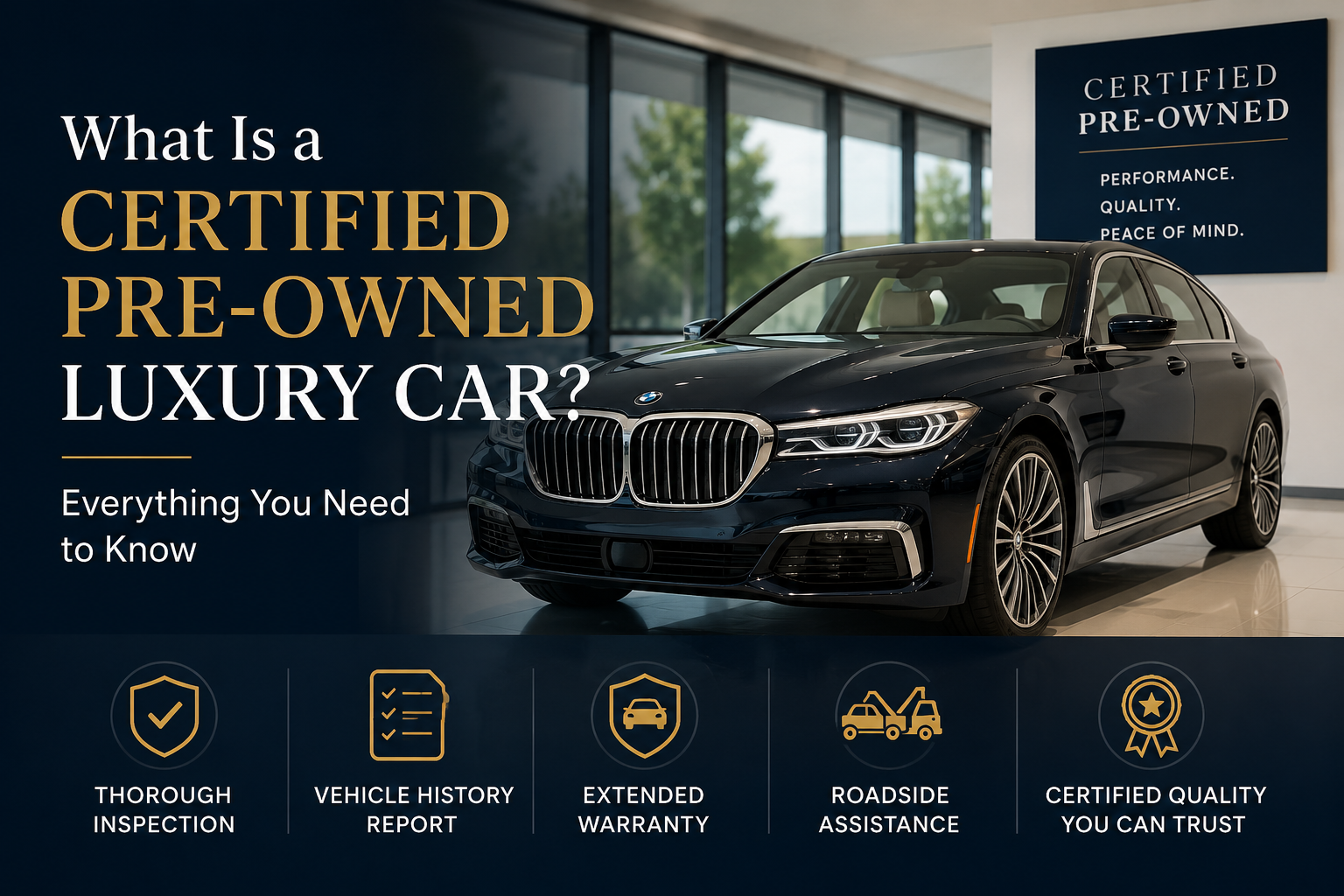
(c) Rise of Organized Certified Pre-Owned (CPO) Luxury Dealers
Earlier, used luxury buying meant risky choices, unreliable documents, and odometer fraud. In 2026, the market is dominated by organized CPO players, offering:
? Verified service history
? 125–250 points inspection checklists
? Extended engine & gearbox warranties
? Tyre, battery & electronics warranty on select models
? On-road insurance support
? NOC & RTO documentation assistance
This shift eliminates uncertainty and attracts first-time luxury buyers looking for trust-driven transactions.
(d) EV Adoption = Price Drop for ICE Luxury Models
The push toward electric vehicles influences the market in two ways:
- ICE luxury car prices are softening, as EV aspirants upgrade
- Premium EVs enter used market, making 2026 the first year with affordable luxury EVs
Example projections for 2026 pre-owned EV pricing:
|
EV Model |
Expected 2026 Pre-Owned Price |
|
BMW i4 |
?42–48 lakh |
|
Kia EV6 |
?34–40 lakh |
|
Mercedes EQC |
?44–55 lakh |
|
Audi e-tron |
?48–60 lakh |
This makes 2026 a great year for buyers who want performance + low running cost with premium tech.
(e) Luxury is No Longer a Status Purchase — It’s a Value Decision
Indian buyers are maturing. Instead of chasing “latest model status,” they prioritize:
? Depreciation advantages
? Ownership cost optimization
? Higher segment features at lower price
? Safety & performance value
As a result, ?25–45 lakh used luxury cars are replacing new ?18–30 lakh mass-segment SUVs.
Financial Benefits of Buying Used Luxury Cars in 2026
(1) Massive Depreciation Advantage
Luxury brands depreciate faster than mass brands due to:
- Advanced tech updates
- Higher initial taxes & duties
- Frequent facelifts
- Leasing cycles
By buying used, you let someone else absorb the expensive part.
(2) Insurance Savings
Used luxury insurance premiums can be 30–60% lower than new luxury cars due to IDV reduction.
Example:
New BMW 3 Series insurance: ?1.3–1.6 lakh/year
3-year-old BMW 3 Series used insurance: ?55,000–?78,000/year
(3) Lower Registration & Tax Costs
In many states, transfer taxes & RTO charges are a fraction of new registration costs. Some states (like Maharashtra) even incentivize used car transfers.
(4) Ability to Buy Higher Segment for Less
For the price of a new Tata Safari, Fortuner or Tucson, you can own:
? Mercedes GLC
? BMW X3
? Audi Q5
? Volvo XC60
with better:
- Build quality
- Safety ratings
- Ride comfort
- Tech & luxury
Why 2026 Is Better vs. Earlier Years (Comparison)
|
Factor |
2018–2023 |
2024–2025 |
2026 Outlook |
|
Market Organization |
Unstructured |
Semi-structured |
Fully structured CPO ecosystem |
|
Inventory Supply |
Low–Medium |
Medium |
High (ex-lease, EV shift) |
|
Ownership Transparency |
Weak |
Improving |
Strong (verified, tech-based) |
|
Warranty Support |
Limited |
Moderate |
Wide options incl. gearbox & electronics |
|
EV Options |
Minimal |
Early-stage |
Multiple EV luxury models available |
|
Insurance & Finance |
Difficult |
Available |
Mainstream with tailored EMI plans |
|
Buyer Bargaining Power |
Weak |
Fair |
Strong |
Buying From Certified Dealers vs. Other Sellers
When buying pre-owned luxury in India, there are three common sources:
(A) Certified Pre-Owned Luxury Dealers (Best Option)
Advantages:
? Verified service history
? Odometer & accident checks
? Warranty & buyback assurance
? Easy finance & EMI support
? Transparent pricing
? Documentation + RC transfer help
? Service packages
Ideal for first-time luxury buyers who value peace of mind.
(B) Direct Owner Sale
Advantages:
? Slightly lower price
? Direct negotiation
Disadvantages:
? No warranty
? No inspection
? Financing difficulty
? RTO paperwork risk
? Hidden issues possible
Good for expert buyers who understand cars deeply.
(C) Unorganized Used Car Dealers
Advantages:
? Lower sticker price
Disadvantages:
? Odometer rollback risk
? Accident history concealment
? No documentation guarantees
? No warranty or servicing
? Rarely transparent
Not recommended for luxury due to the high risk of engine, gearbox, suspension, electronic, and ECU-related repairs, which can be expensive.
Brands & Models That Will Offer Best Value in 2026
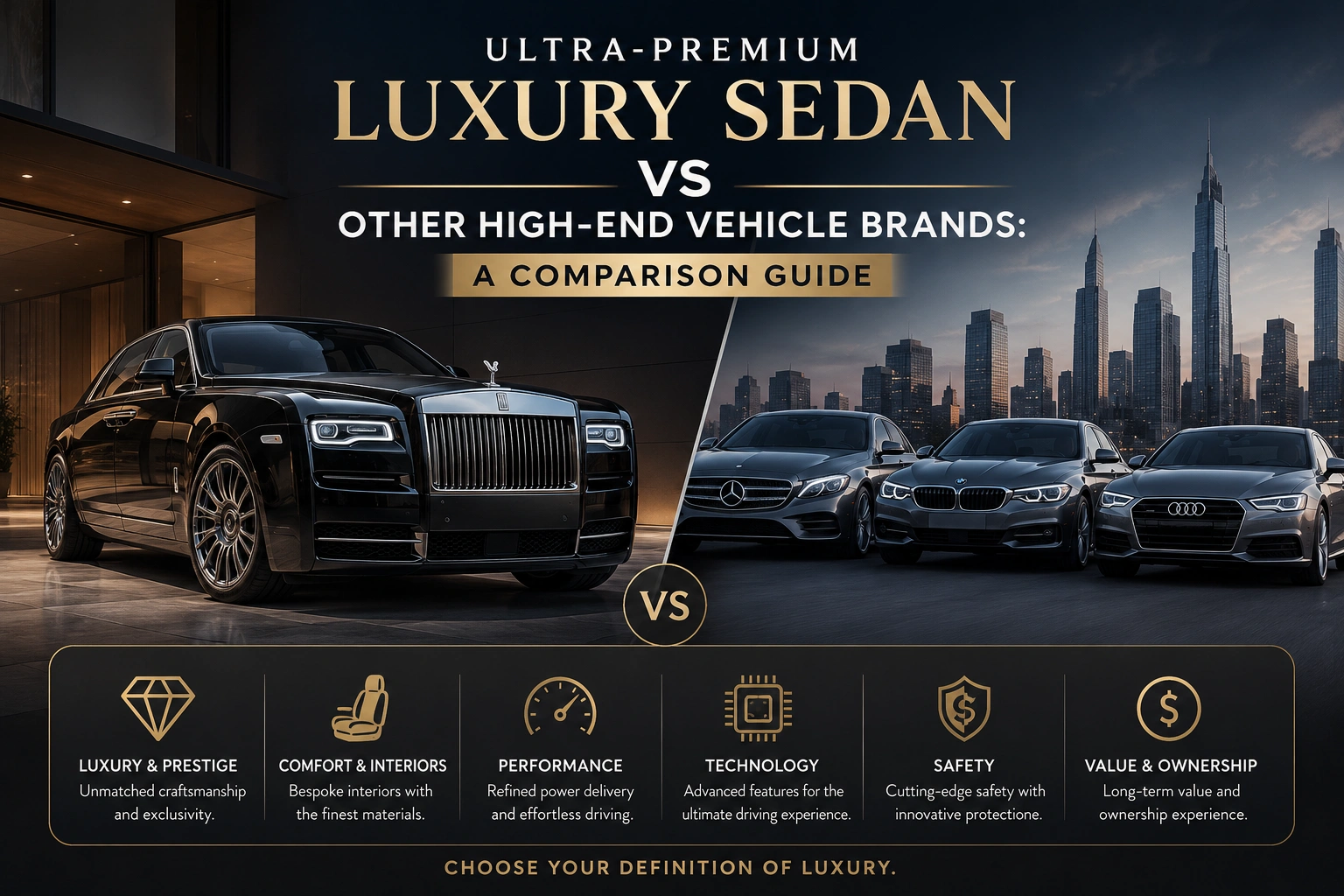
Based on depreciation curves, maintenance costs, and market demand, these brands offer superior value in 2026:
Best Used German Luxury (Performance + Tech)
- BMW 3 Series, 5 Series
- Audi A4, A6, Q3, Q5
- Mercedes C-Class, E-Class, GLC
Why?
? Strong engines
? Comfortable ride
? Safety & features
? Stable resale
Best Used Scandinavian Luxury (Safety + Comfort)
- Volvo XC40, XC60, S60
Why?
? Best-in-class safety
? Minimal owner abuse
? Cheaper parts vs Germans
? Top resale in metros
Best Premium SUVs (Space + Road Presence)
- Land Rover Discovery Sport
- BMW X3 / X5
- Mercedes GLE
- Audi Q7
Best Premium EV Options in 2026
- BMW i4
- Audi e-tron
- Mercedes EQC
- Kia EV6
- Volvo XC40 Recharge
Benefit:
Premium EV running cost = ?1–1.5/km vs ?8–13/km for petrol SUVs
Maintenance, Warranty & Service Costs (Realistic Overview)
Luxury cars require more attention than mass-market vehicles, but smart buyers leverage:
? 3rd party extended warranty
? Scheduled service packages
? OEM-approved workshops
? Insurance add-ons (zero dep, RTI)
Typical Yearly Maintenance for 3–5 Year Old Luxury Cars:
|
Brand |
Yearly Avg Service |
|
BMW |
?35,000 – ?65,000 |
|
Mercedes |
?40,000 – ?80,000 |
|
Audi |
?35,000 – ?70,000 |
|
Volvo |
?25,000 – ?50,000 |
|
Jaguar/Land Rover |
?50,000 – ?90,000 |
Premium? Yes. But the ownership experience makes it worth it, especially when combined with depreciation savings.
Who Benefits Most by Buying in 2026?
Ideal Buyers in 2026 Include:
- Entrepreneurs & business owners
- Professionals (Doctors, CA, Lawyers)
- Executives seeking status + comfort
- Tech employees moving to EVs
- Upgraders from Fortuner, Endeavour, Tucson, Compass
- Aspirational first-time luxury car users
- These groups maximize both value and efficiency.
How to Make a Smart Purchase in 2026 (Checklist)
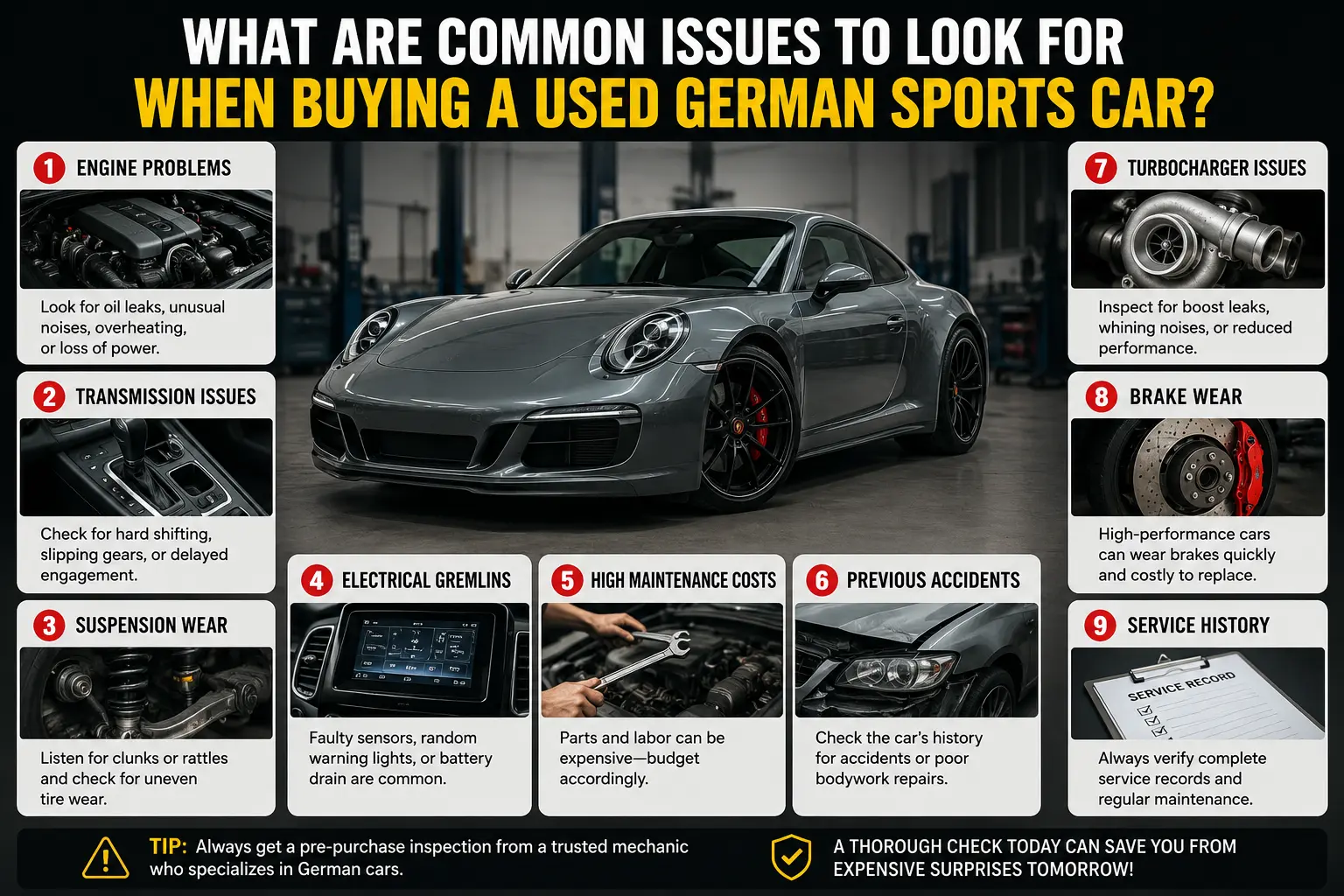
Inspection Checklist
Before buying, confirm:
- Engine & gearbox health
- Odometer verification via service records
- Accident & panel replacement history
- Suspension & steering condition
- ECU error scan
- Brake & tyre life
- Electronics & sensor functioning
- Battery health (for EVs)
Documentation Checklist
Always verify:
- Original RC + Form 29 & 30
- Insurance policy & claims history
- NOC (if financed)
- Service booklet + invoices
- Pollution certificate
Buying from certified dealers covers most of these automatically.
2026 = High Value, Low Risk, Maximum Choice
2026 will be a breakout year for pre-owned luxury in India due to:
- High inventory from lease/upgrade cycles
- More advanced EV entries
- Mature certified dealer ecosystem
- Transparent financing & warranties
- Peak depreciation benefits
- Favorable buyer market dynamics
For buyers, this means:
- Luxury at affordable pricing
- Reduced financial risk
- Higher bargaining power
- Premium features at mass-segment cost
If luxury has ever been on your wish list, 2026 is not just a good year. it’s the smartest year to enter the segment.
FAQs
Q1: Is it worth buying a used luxury car in India in 2026?
Yes, 2026 offers peak depreciation benefits, better financing, more inventory, certified dealers, and EV options.
Q2: Which luxury brand has the lowest maintenance cost in India?
Volvo generally has lower service costs, followed by BMW and Audi depending on models.
Q3: Are pre-owned luxury EVs a good choice?
Yes, because running costs are low, and 2026 will have multiple premium EVs entering the used segment.
Q4: Can I get financing on used luxury cars in 2026?
Yes, banks & NBFCs now offer structured EMI, flexible tenure, and competitive interest rates for used luxury purchases.
Q5: Is a warranty available on used luxury cars?
Certified dealers often provide engine, gearbox, electronics, and EV battery warranties depending on the model and age.
.jpeg)

Recent Comments